
Click any disease below to view full details, including what it is, how it spreads, symptoms and sings, treatment and prevention. Case data specific to San Benito County is included where available, along with links to California Department of Public Health (CDPH) and Center for Disease Control and Prevention (CDC) resources for additional information.
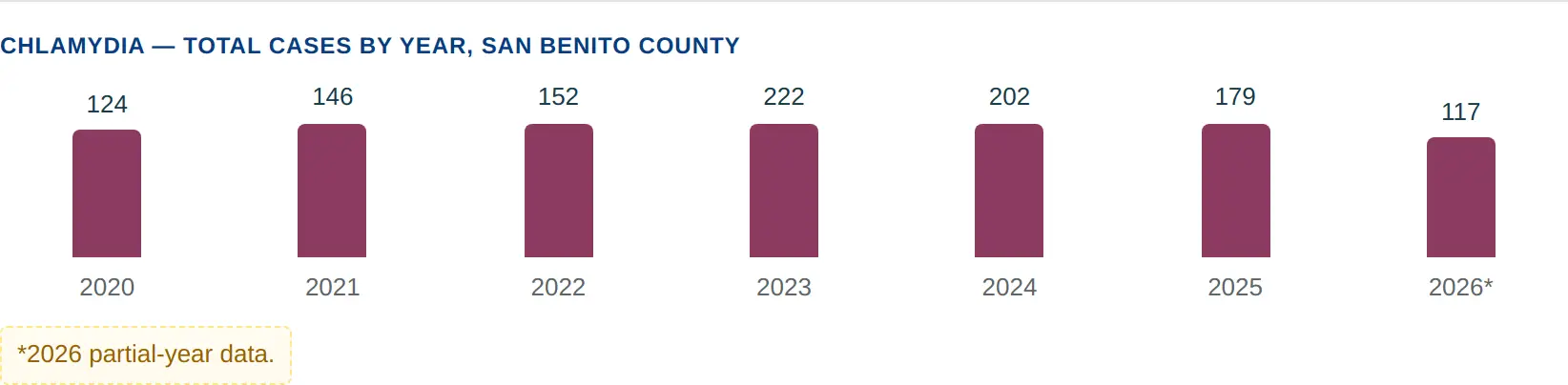
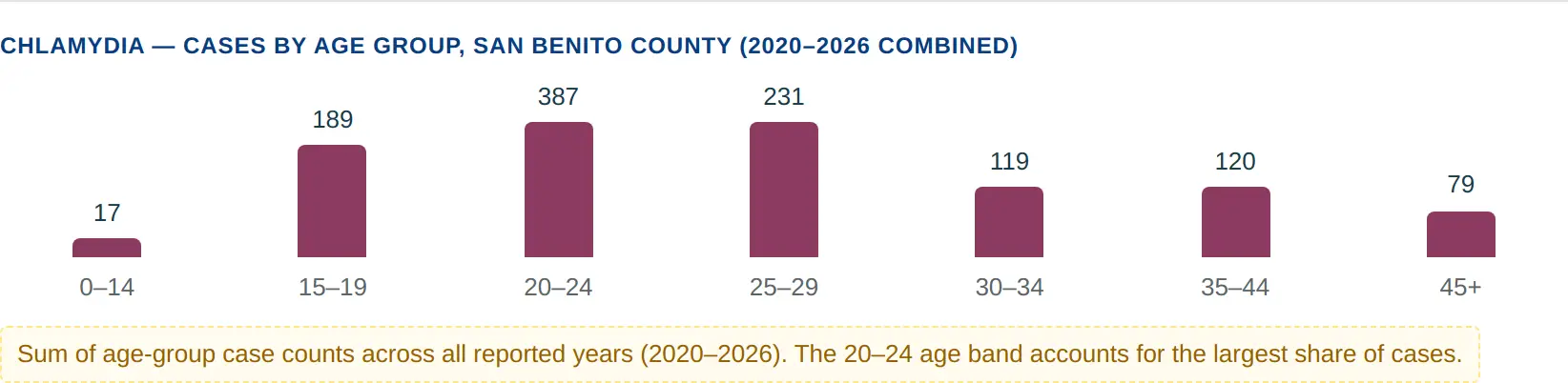
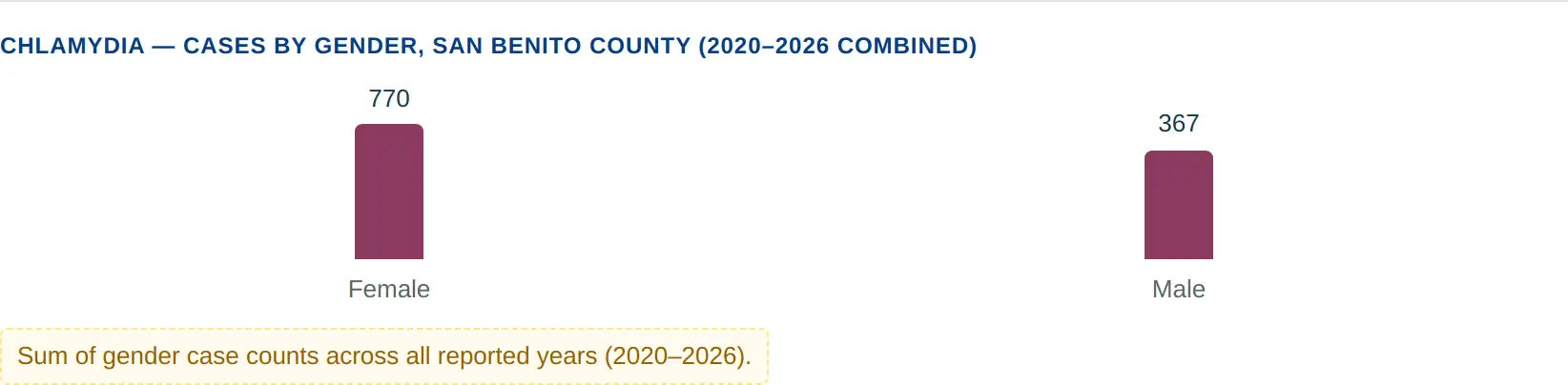
WHAT IT IS: A common bacterial sexually transmitted infection (Chlamydia trachomatis).
HOW IT SPREADS: Vaginal, anal, or sexual contact with an infected person.
SYMPTOMS & SIGNS: Often no symptoms at all, which is why regular testing matters
TREATMENT: Certain antibiotics (typically short oral course) can cure the infection; the recommended regimen depends on clinical circumstances. Sexual partners should also be tested and treated to prevent reinfection.
PREVENTION: Condom use, regular screening based on current CDPH recommendations for your risk group, and re-testing after treatment as advised by your provider.
RESOURCES: CDPH: About Chlamydia, CDPH: California STI Treatment Guidelines, CDC: About Chlamydia
WHAT IT IS: A fungal infection caused by Coccidioides, a fungus that lives in soil in parts of California including the Central Valley and Central Coast.
HOW IT SPREADS: Breathing in fungal spores stirred up from dust. Not contagious- cannot spread person-to-person or between people and animals.
SYMPTOMS & SIGNS: Cough, fever, chest pain, and fatigue that can last a month or longer. In rare cases, infection spreads beyond the lungs to skin, bones, joints, or the brain (meningitis). CDPH data shows higher rates of severe/disseminated diseases among Black/African American and Filipino people, adults 60+, pregnant people, people with diabetes, and people with weakened immune systems.
TREATMENT: Many mild cases resolve without treatment. Antifungal medication is used for more severe, prolonged, or disseminated cases, guided by a provider.
PREVENTION: Limit dust exposure- wet soil before digging, keep car/home windows closed during dust storms, wear an N95 respirator during unavoidable dusty work. No vaccine is currently available.
RESOURCES: CDPH: About Valley Fever, CDC: About Valley Fever
WHAT IT IS: A respiratory illness caused by the SARS-CoV-2 virus. Severity ranges from no symptoms to critical illness.
HOW IT SPREADS: Respiratory droplets and small airborne particles from an infected person; sometimes via contaminated surfaces.
SYMPTOMS & SIGNS: Fever/chills, cough, sore throat, congestion, fatigue, body aches, headache, loss of taste/smell, nausea or diarrhea. Seek emergency care for trouble breathing, persistent chest pain/pressure, or new confusion.
TREATMENT: Supportive care (rest, fluids, fever/pain control) for most cases. Antiviral treatment may be prescribed for people at higher risk of severe illness if started early — talk to a provider promptly after a positive test.
PREVENTION: As of the 2025–2026 season, CDC recommends the updated COVID-19 vaccine based on individual, shared clinical decision-making between patient and provider, rather than a universal recommendation for all ages. It’s especially encouraged for people 65+, those at high risk for severe illness, and anyone never previously vaccinated. Good ventilation and staying home when sick also reduce spread.
RESOURCES: CDC: Staying up to date with COVID-19 vaccines, CDPH: About COVID-19
WHAT IT IS: A parasitic infection of the intestine caused by cyclospora cayetanensis, a microscopic parasite. Outbreaks in the U.S. are often linked to imported fresh produce.
HOW IT SPREADS: Eating food or drinking water contaminated with the parasite- commonly fresh produce like berries, herbs, and leafy greens. Not spread directly person-to-person since the parasite needs time in the environment outside the body before it becomes infectious.
SYMPTOMS & SIGNS: Watery diarrhea (very frequent, sometimes explosive), loss of appetite, weight loss, cramping, bloating, increased gas, nausea, and fatigue. Without treatment, symptoms can go away and come back over weeks.
TREATMENT: A specific antibiotic combination is the standard treatment, prescribed by a provider. People with certain drug allergies may need alternative guidance- talk to a provider about options.
PREVENTION: Thoroughly wash fresh produce; be cautious with tap or untreated water in areas with known cyclospora activity, especially when traveling. Outbreaks are often traced back to a specific imported item, so public health investigation matters when clusters occur.
RESOURCES: CDPH: About Cyclosporiasis, CDC: About Cyclosporiasis
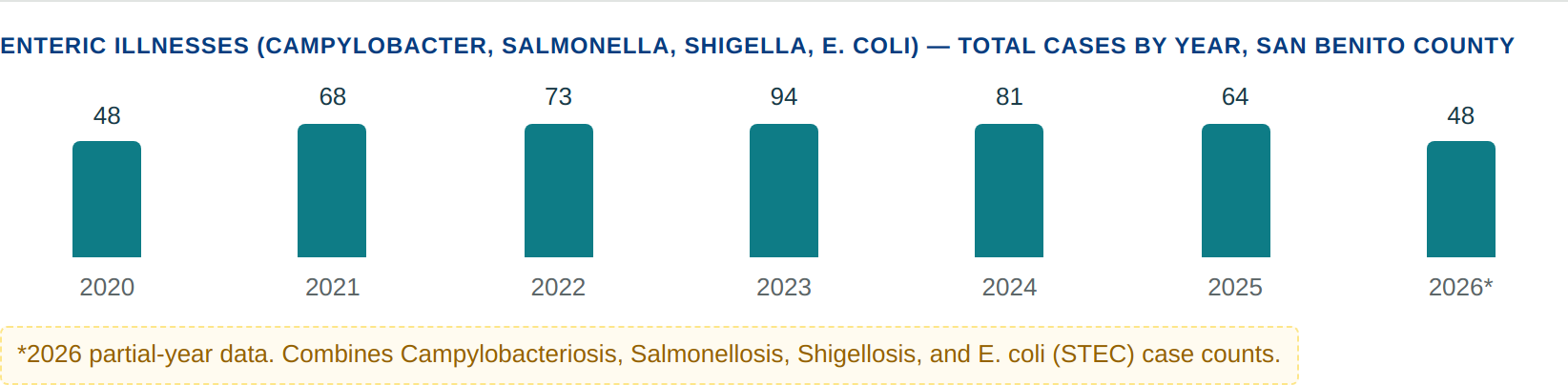
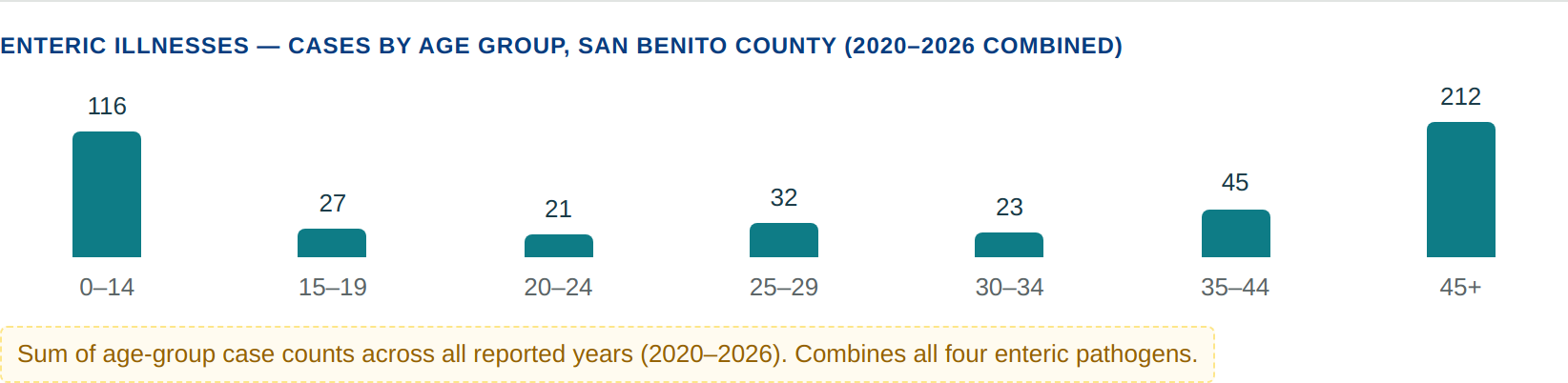
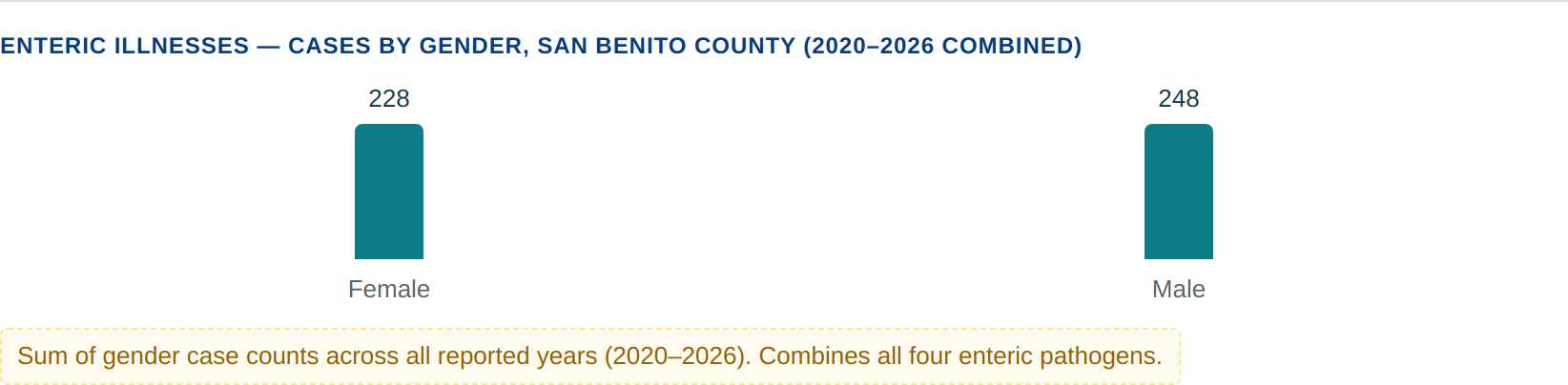
WHAT IT IS: Infection of the digestive tract, most often from contaminated food or water. This combined category covers four commonly reported pathogens: Campylobacter, Salmonella, Shigella, E. coli (including Shiga toxin-producing strains).
HOW IT SPREADS: Eating or drinking contaminated food/water; some (like Shigella) also spread person-to-person via the fecal-oral route.
SYMPTOMS & SIGNS: Diarrhea (sometimes bloody), fever, stomach cramps, nausea, vomiting, and dehydration.
TREATMENT: Mostly supportive care- fluids and electrolyte replacement. Antibiotics are used only for specific pathogens or severe/high-risk cases, per a provider’s judgement. Anti-diarrheal medication should be avoided with suspected Shiga-toxin producing E. coli, since it can raise the risk of a serious kidney complication.
PREVENTION: Wash hands with soap for 20 seconds before eating/cooking and after using the restroom; cook food to safe temperatures; avoid swallowing water when swimming in lakes, rivers, or the ocean; follow food and water precautions when traveling internationally.
RESOURCES: CDPH: Foodborne Diseases and Outbreaks
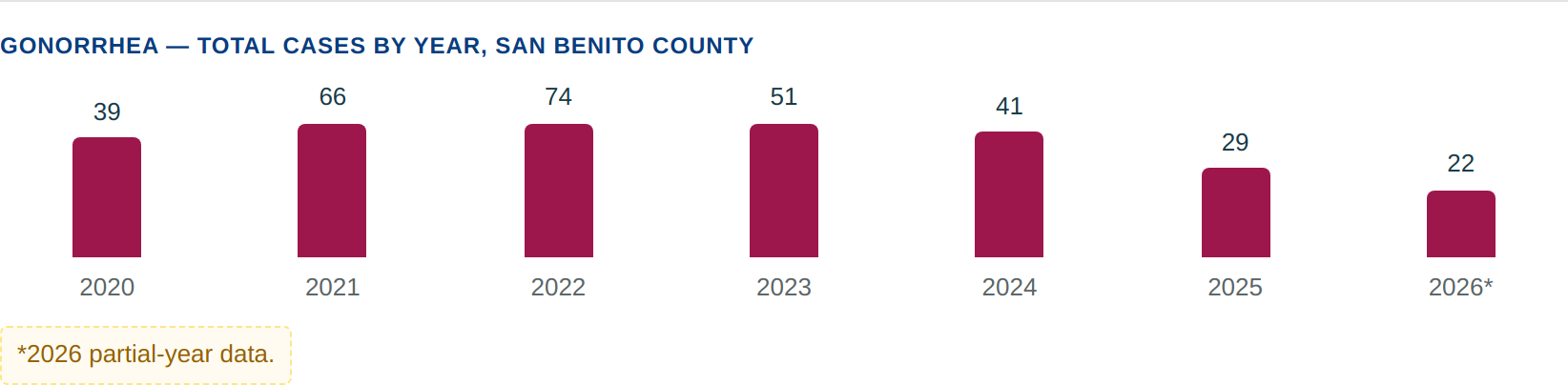
WHAT IT IS: A bacterial sexually transmitted infection (Neisseria gonorrhoeae). Growing antibiotic resistance is an ongoing public health concern nationally.
HOW IT SPREADS: Vaginal, anal, or oral sexual contact with an infected person.
SYMPTOMS & SIGNS: Often no symptoms, especially in women. When present: abnormal discharge, painful urination, or pelvic pain. Untreated infection can lead to pelvic inflammatory disease and infertility.
TREATMENT: Appropriate antibiotic treatment can often cure gonorrhea; the recommended regimen depends on clinical circumstances and current resistance patterns. Injectable treatment is commonly used, though specific regimens and alternatives vary by situation.
PREVENTION: Condom use, regular screening based on individual risk factors, and partner testing and treatment as recommended by a healthcare provider.
RESOURCES: CDPH: About Gonorrhea, CDC: About Gonorrhea, CDPH: California STI screening recommendations
WHAT IT IS: A strain of avian (bird) influenza- highly pathogenic avian influenza (HPAI)- that mainly infects birds and some mammals, including dairy cattle, and occasionally people.
HOW IT SPREADS: Direct contact with infected birds, poultry, or dairy cattle, their environments, or unpasteurized (‘raw’) milk/dairy products. No sustained person-to-person spread has been identified.
SYMPTOMS IN PEOPLE: Most U.S. human cases have been mild- commonly conjunctivitis (eye redness/irritation)- along with possible fever, cough, sore throat, and body aches. Illness can range from mild to severe
SYMPTOMS IN ANIMALS: In poultry: sudden death, drop in egg production, swelling of the head/comb, lack of energy. In dairy cattle: reduced appetite and milk production, thickened or discolored milk. Sick or dead wild birds are often the first sign of local activity.
TREATMENT: Antiviral medication is recommended as early as possible for suspected or confirmed cases, per CDC guidance, without waiting for lab confirmation if clinical suspicion is high.
PREVENTION: Avoid unpasteurized milk/cheese; avoid contact with sick or dead birds, poultry, or cattle. People with job-related or recreational animal exposure should follow CDC/ Cal-OSHA worker protection guidance. CDC currently assesses the risk to general public as low.
RECENT UPDATES: Through Dec 2024 CDPH confirmed 38 human H5N1 cases in California- no person-to-person spread identified in any case.
RESOURCES: CDC: H5 Bird Flu Current Situation, CDPH: About Bird Flu
WHAT IT IS: A rare but serious illness. In California, it’s caused by Sin Nombre virus, carried by deer mice. (Andes virus linked to a 2026 cruise ship cluster, is not found in California)
HOW IT SPREADS: Breathing in air containing virus particles from dried rodent urine, droppings, or saliva that have been stirred up- for example when opening or cleaning a building that’s had mice in it. Rarely, from a rodent bite.
SYMPTOMS IN PEOPLE: Early: fever, headache, muscle aches, fatigue- can look like other respiratory illnesses. Within days to about 2 weeks, symptoms can progress to cough and severe breathing difficulty (Hantavirus Pulmonary Syndrome, or HPS), which can be life-threatening.
SYMPTOMS IN ANIMALS: Deer mice that carry Sin Nombre virus typically show no signs of illness at all- they are silent carriers. This is why the risk comes from their droppings/urine rather than from visibly sick rodents.
TREATMENT: No specific antiviral treatment or cure exists. Early, intensive supportive care- including oxygen and, if needed, mechanical ventilation- significantly improves chances of survival.
PREVENTION: Seal up entry points to keep rodents out of homes and outbuildings. When cleaning areas with rodent droppings, don’t sweep or vacuum- this stirs particles into the air. Instead, ventilate the space, then wet the area with a disinfectant before wiping it up.
RECENT UPDATES: A 2026 cluster linked to Andes virus and an international cruise ship was monitored. No confirmed cases were reported in California.
RESOURCES: CDPH: About Hantavirus, CDC: About Hantavirus
WHAT IT IS: A liver infection caused by the Hepatitis A virus. Usually a short-term (acute) illness, not chronic.
HOW IT SPREADS: Fecal-oral route- ingesting food or water contaminated with the virus, or close personal contact with an infected person.
SYMPTOMS & SIGNS: Fatigue, nausea, loss of appetite, abdominal pain, dark urine, and jaundice (yellowing of skin/eyes), typically appearing 2-7 weeks after exposure. Many people, especially young children have no symptoms.
TREATMENT: No specific antiviral treatment- supportive care while the body clears the infection. Most people recover fully with no lasting liver damage.
PREVENTION: Hepatitis A vaccine (2 doses) is recommended for children and at-risk adults. Handwashing and safe food/water practices also reduce risk
RESOURCES: CDPH: About Hepatitis A, CDC: About Hepatitis A
WHAT IT IS: A liver infection caused by the Hepatitis B virus. Can be short-term (acute) illness or lifelong (chronic) infection, especially if acquired in infancy.
HOW IT SPREADS: Contact with blood, semen, or other body fluids- including mother-to-child transmission during birth, sexual contact, or sharing needles/injection equipment.
SYMPTOMS & SIGNS: Often no symptoms, especially early on. When present fatigue, abdominal pain, dark urine, jaundice. Chronic infection can silently damage the liver over years.
TREATMENT: Chronic Hepatitis B is managed (not cured) with antiviral medication under a specialist’s care; regular monitoring for liver damage is important.
PREVENTION: Hepatitis B vaccine is part of the routine immunization schedule. Talk with a provider about current recommendations for infants and adults.
RESOURCES: CDPH: About Hepatitis B, CDC: About Hepatitis B
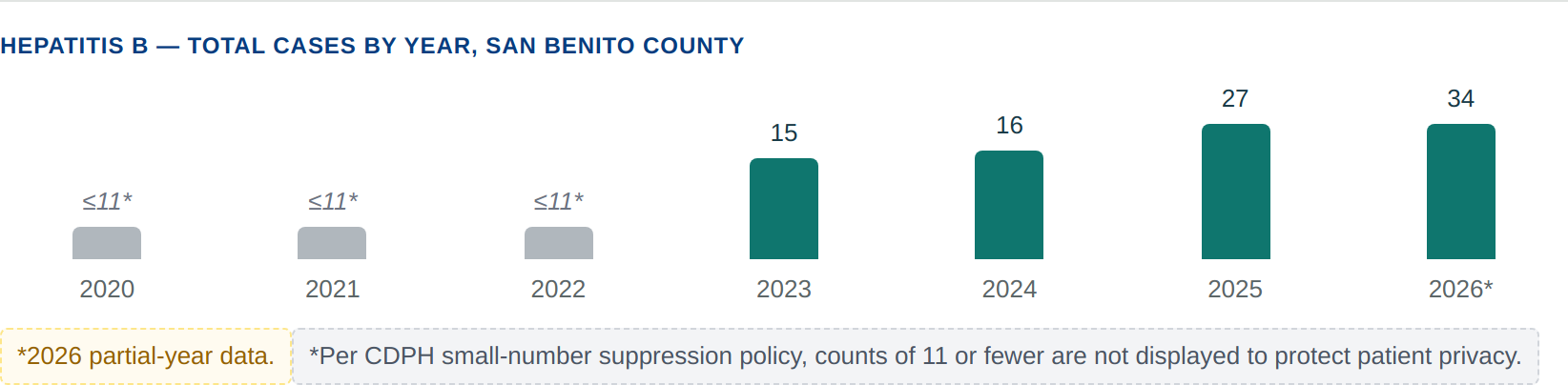
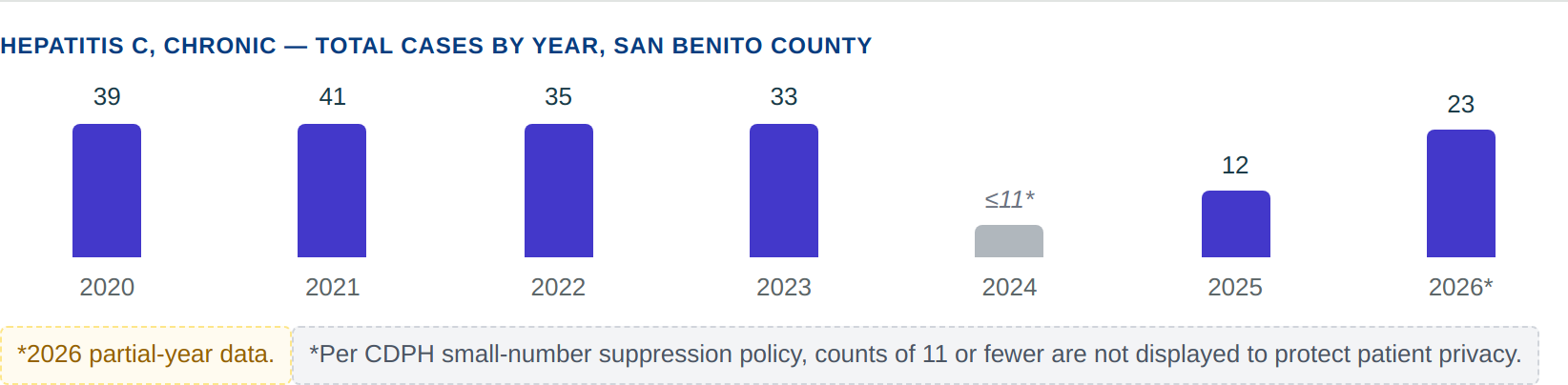
WHAT IT IS: A liver infection caused by the Hepatitis C virus, which frequently becomes a chronic, lifelong infection if untreated.
HOW IT SPREADS: Contact with blood- most commonly sharing needles or other drug injection equipment; less commonly through sexual contact.
SYMPTOMS & SIGNS: Often no symptoms for years, allowing the virus to silently damage the liver. When symptomatic, fatigue, abdominal pain, jaundice.
TREATMENT: Direct-acting antiviral medications cure more than 90% of people treated, typically with an 8-12 week oral regimen.
PREVENTION: No vaccine exists. Reduce risk by avoiding shared needles/injection equipment and getting tested if you have risk factors- testing is the only way to know your status, since symptoms are often absent.
RESOURCES: CDPH: About Hepatitis C, CDC: About Hepatitis C
WHAT IT IS: Human immunodeficiency virus attacks the immune system’s CD4 cells. Untreated, it can progress to AIDS (acquired immunodeficiency syndrome), the most advanced stage.
HOW IT SPREADS: Contact with certain body fluids (blood, semen, vaginal fluids, breast milk)- most commonly through unprotected sex or sharing injection drug equipment. Not spread through casual contact.
SYMPTOMS & SIGNS: A flu-like illness 2-4 weeks after infection is common (acute HIV), followed by a long period with few or no symptoms. Without treatment, the immune system weakens over years, leading to AIDS.
TREATMENT: Antiretroviral therapy (ART)- daily medication that allows most people with HIV to live long, healthy lives and reach an undetectable viral load, at which point HIV cannot be sexually transmitted.
PREVENTION: Testing is the only way to know your status- CDC estimates roughly 1 in 5 people with HIV are unaware they are infected. PrEP (pre-exposure prophylaxis) is a daily pill that greatly reduces the chance of getting HIV, is covered by most insurance plans including Medi-Cal and Medicare, and financial assistance is available for those who need it. For someone with a recent possible exposure, PEP (post-exposure prophylaxis) is a 28-day medication course that must be started within 72 hours to be effective- contact a healthcare provider or emergency room right away.
RESOURCES: CDPH: Office of AIDS, CDPH: HIV Prevention – PrEP and PEP, CDC: HIV Basics
WHAT IT IS: A contagious respiratory illness caused by influenza viruses. Flu season in the U.S. typically runs October through May, though timing varies year to year.
HOW IT SPREADS: Respiratory droplets from coughing, sneezing, or talking.
SYMPTOMS & SIGNS: Fever, chills, sore throat, runny/stuffy nose, muscle or body aches, headache, and fatigue. Can lead to pneumonia or worsen chronic conditions, especially in young children, older adults, and people with underlying health conditions.
TREATMENT: Antiviral medication can reduce severity and duration if started within 48 hours of symptom onset, particularly for people at higher risk of complications. Otherwise, supportive care (rest, fluids, fever control).
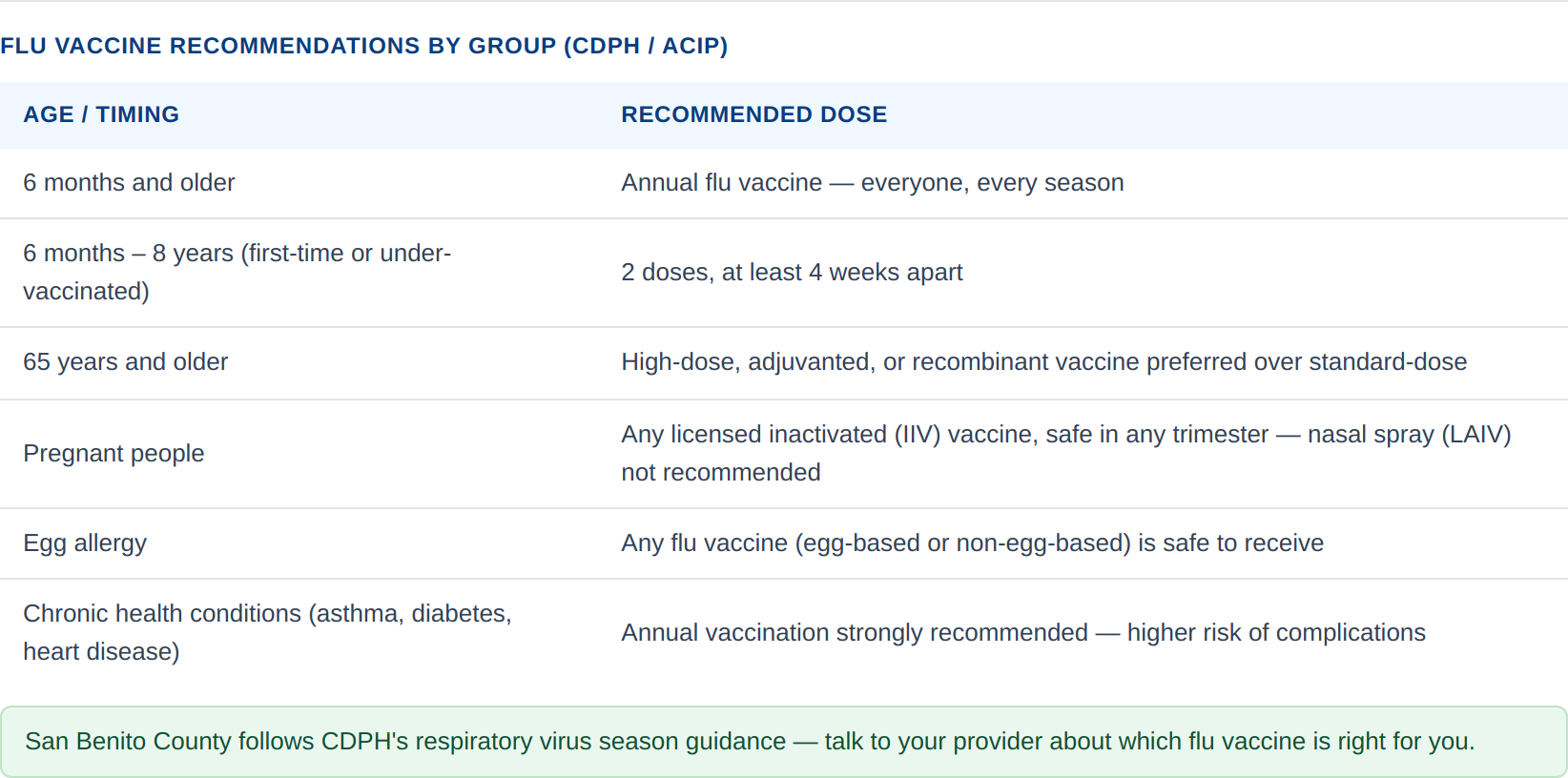
PREVENTION: CDC recommends annual flu vaccination for everyone 6 months and older. Because circulating strains change every year, the vaccine is reformulated annually, making yearly vaccination important.
RESOURCES: CDPH- About Influenza, CDC- About Influenza
WHAT IT IS: An infection caused by Legionella bacteria, which can take two forms: Legionnaire’s disease (a serious pneumonia) and Pontiac fever (a milder, flu-like illness without pneumonia).
HOW IT SPREADS: Breathing in mist or vapor contaminated with legionella bacteria- common sources include cooling towers, hot tubs/spas, decorative fountains, and building plumbing systems with poor maintenance. Not spread person-to-person.
SYMPTOMS & SIGNS: Legionnaire’s disease: cough, shortness of breath, fever, muscle aches, headache, and sometimes confusion or gastrointestinal symptoms, usually beginning 2-10 days after exposure. Pontiac fever: milder fever and muscle aches without pneumonia, typically resolving on its own within a few days.
TREATMENT: Legionnaires’ disease requires antibiotic treatment and sometimes hospitalization. Pontiac fever resolves without specific treatment.
PREVENTION: Proper design, maintenance, and disinfection of water systems- cooling towers, hot tubs, and building plumbing- is the primary prevention strategy. There is no vaccine.
RESOURCES: CDPH: About Legionellosis, CDC: About Legionellosis
WHAT IT IS: A bacterial infection (leptospira species) that affects both humans and animals, commonly carried by rodents and other mammals.
HOW IT SPREADS: Contact with urine from an infected animal, or with water or soil contaminated by that urine- through cuts or scrapes in the skin, mucous membrane (eyes, nose, mouth), or by swallowing contaminated water.
SYMPTOMS & SIGNS: High fever, headache, chills, muscle aches (especially in the calves), red eyes, vomiting, abdominal pain, and sometimes a rash. Severe cases (Weil’s disease) can involve jaundice, kidney failure, bleeding, and meningitis.
TREATMENT: Antibiotics are the standard treatment; severe cases may require hospitalization and IV antibiotics.
PREVENTION: Avoid swimming or wading in water that may be contaminated with animal urine, especially after heavy rain or flooding; wear protective clothing/footwear in higher-risk settings; control rodents around the home; avoid direct contact with animal urine.
RESOURCES: CDPH: About Leptospirosis, CDC: About Leptospirosis
WHAT IT IS: A bacterial infection (Borrelia burgdorferi and related species) spread by the bite of an infected blacklegged (deer) tick. Less common in California than in the Northeast/Upper Midwest, but present in some parts of the state.
HOW IT SPREADS: The bite of an infected blacklegged tick. A tick usually needs to be attached for 36-48 hours or longer before it can transmit the bacteria, so prompt tick removal matters.
SYMPTOMS & SIGNS: Early: a red “bull’s-eye” rash (erythema migrans) at the bite site, fever, chills, fatigue, headache, and muscle/joint aches. If untreated, later symptoms can include facial drooping, joint swelling (especially the knees), heart rhythm problems, and neurological symptoms.
TREATMENT: Antibiotics- most effective when started early in the illness.
PREVENTION: Avoid tick habitats (wooded, brushy, high grass areas); use EPA- registered insect repellent; wear long sleeves and pants when in tick habitat; check yourself, kids, and pets for ticks after outdoor activity, and remove any attached tick promptly. There is currently no vaccine available for Lyme disease in the U.S. for humans.
RESOURCES: CDPH: About Lyme Disease, CDC: About Lyme Disease
WHAT IT IS: A highly contagious viral respiratory illness that can cause serious complications, especially in children under 5 and immunocompromised people.
HOW IT SPREADS: Airborne – an infected person’s cough or sneeze releases virus particles that can remain suspended in the air, and infectious, up to two hours after they have left the space.
SYMPTOMS & SIGNS: High fever, cough, runny nose, and red, watery eyes beginning 7-14 days after exposure, followed by a rash 3-5 days later that typically starts on the face and spreads downward. Small white spots inside the mouth (Koplik spots) can appear before the rash. Complications can include pneumonia, encephalitis (brain swelling), and- during pregnancy-early labor, miscarriage, or low birth weight.
TREATMENT: No specific antiviral treatment- supportive care.
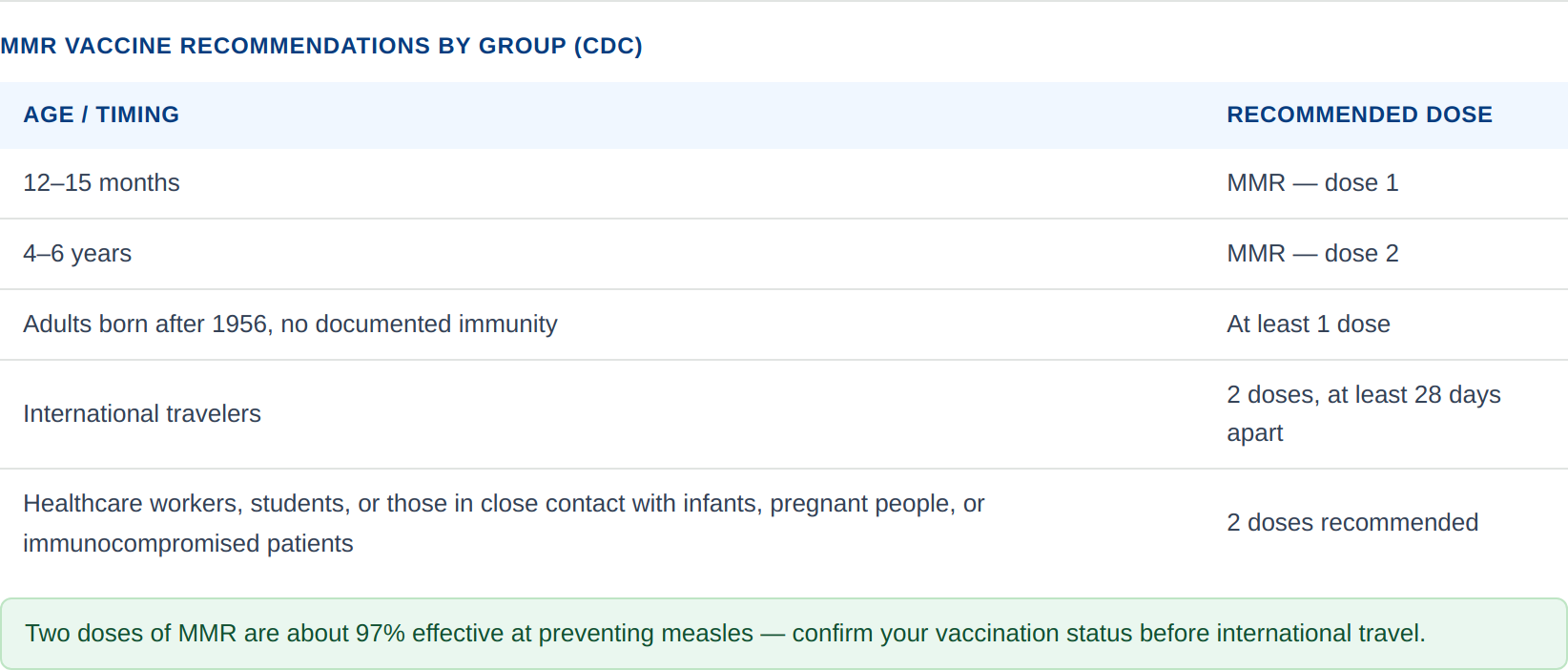
PREVENTION: The MMR vaccine (measles, mumps, rubella) is highly effective- about 97% after two doses. Most U.S. cases are linked to unvaccinated international travelers; confirm vaccination status before traveling abroad.
RECENT UPDATES: As of July 27, 2026, there have been 53 confirmed measles cases reported in California- CDPH Measles Activity Page
RESOURCES: CDPH: About Measles, CDC: About Measles
WHAT IT IS: An infection caused by the monkeypox virus. Two types (clades) circulate- clade I and clade II- with similar symptoms and prevention methods. California identified the first known U.S. clade I case in November 2024 (travel- related); since then travel- related introductions have continued alongside a separate rise in clade II cases.
HOW IT SPREADS: Direct contact with the bodily fluids, sores, or scabs of a person with mpox, or with contaminated objects/materials; also through prolonged close (including sexual) contact, and rarely via respiratory secretions during prolonged face-to-face contact.
SYMPTOMS & SIGNS: Flu-like symptoms (fever, chills, sore throat, headache, swollen lymph nodes) often followed 1-4 days later by a rash or lesions that may look like pimples or blisters, appearing on or near the genitals, hands, feet, chest, face, or mouth. Contagious from symptom onset until all lesions have healed and new skin has formed- typically 2-4 weeks.
TREATMENT: Most cases are mild and managed with supportive care and pain management. Antiviral treatment is no longer routinely recommended for mild-to-moderate infections; it may still be considered for severe cases in consultation with CDPH/CDC.
PREVENTION: The JYNNEOS vaccine (2 doses) is recommended for people at risk of exposure- including those with multiple sexual partners, immunocompromised individuals, and healthcare workers with potential mpox patient contact- and before travel to areas with clade I circulation. Avoiding close/sexual contact with someone who has mpox symptoms also reduces risk.
RECENT UPDATES: As of June 16, 2026 CDPH confirmed 12 clade I mpox cases in California since Nov 2024 (7 of those since Jan 2026 alone), plus a separate rise in clade II cases- roughly 3x the typical rate seen in 2024-25- California Health Update
RESOURCES: CDPH: About Mpox, CDC: About Mpox
WHAT IT IS: A highly contagious bacterial respiratory infection (Bordetella pertussis) causing severe coughing fits. Most dangerous for infant who may not show the typical cough.
HOW IT SPREADS: Airborne- respiratory droplets from coughing or sneezing.
SYMPTOMS & SIGNS: Starts like a common cold, then progresses to severe, prolonged coughing fits, sometimes with a high-pitched “whoop” sound when breathing in and can cause vomiting after coughing. Infants may instead show pauses in breathing (apnea).
TREATMENT: Antibiotics can reduce severity and contagiousness, especially if started early in the illness. Post-exposure prophylaxis (preventive antibiotics for close contacts of a confirmed case) is also important- it can prevent infection or reduce severity in people who were exposed, especially infants, pregnant people, and others at high risk of severe illness. Talk to a provider promptly after a known exposure.
PREVENTION: DTaP vaccine for children and a Tdap booster for adolescents and adults- including during every pregnancy, which passes protective antibodies to the newborn before they are old enough to be vaccinated themselves.
RESOURCES: CDPH: About Pertussis, CDC: About Pertussis
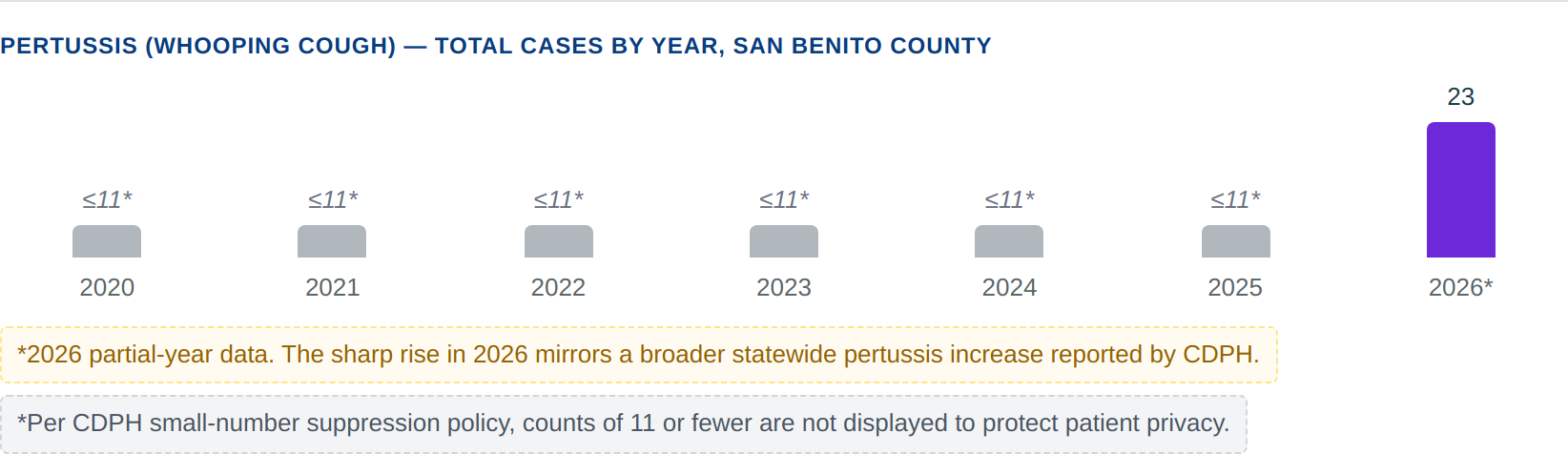
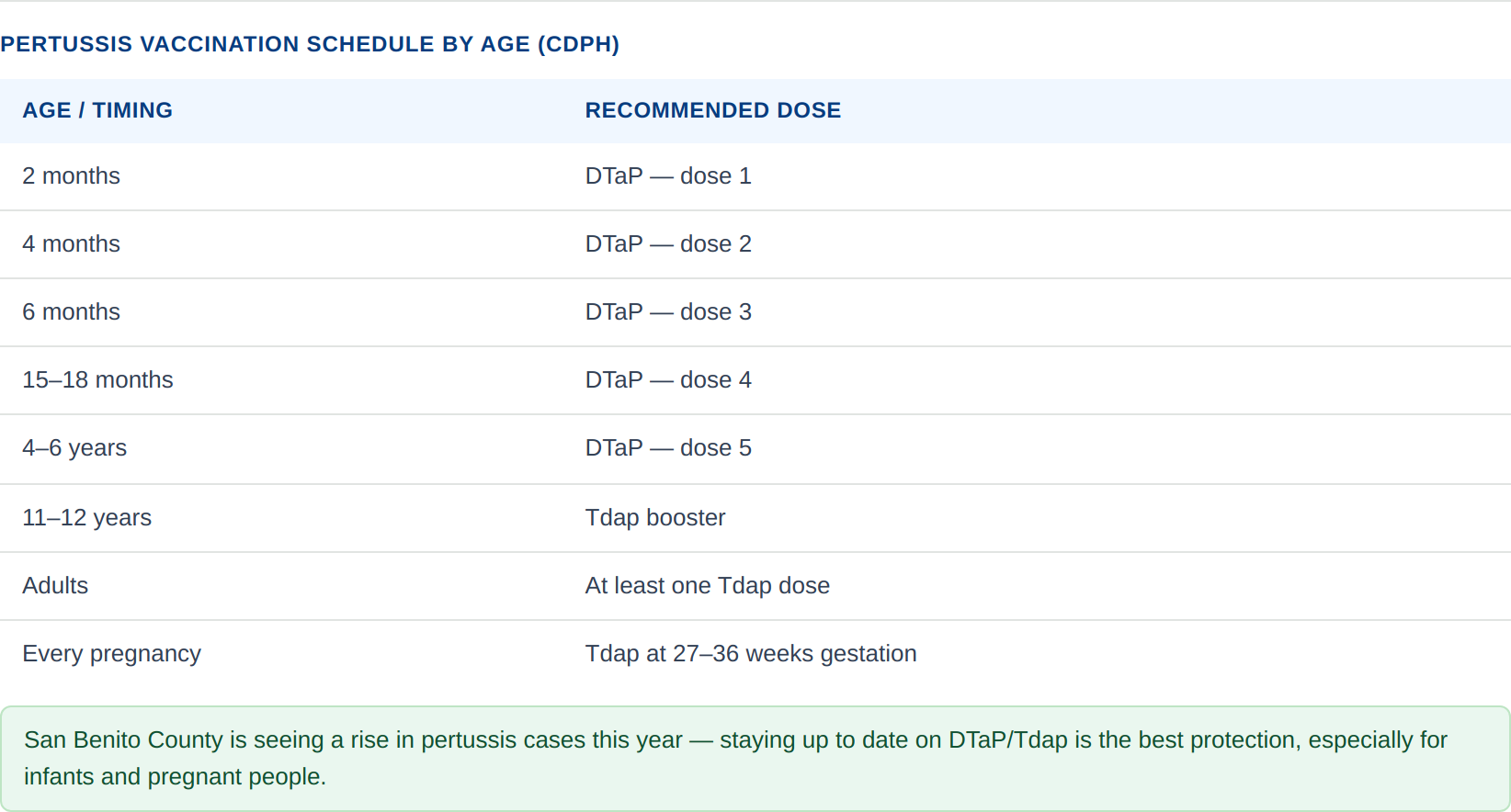
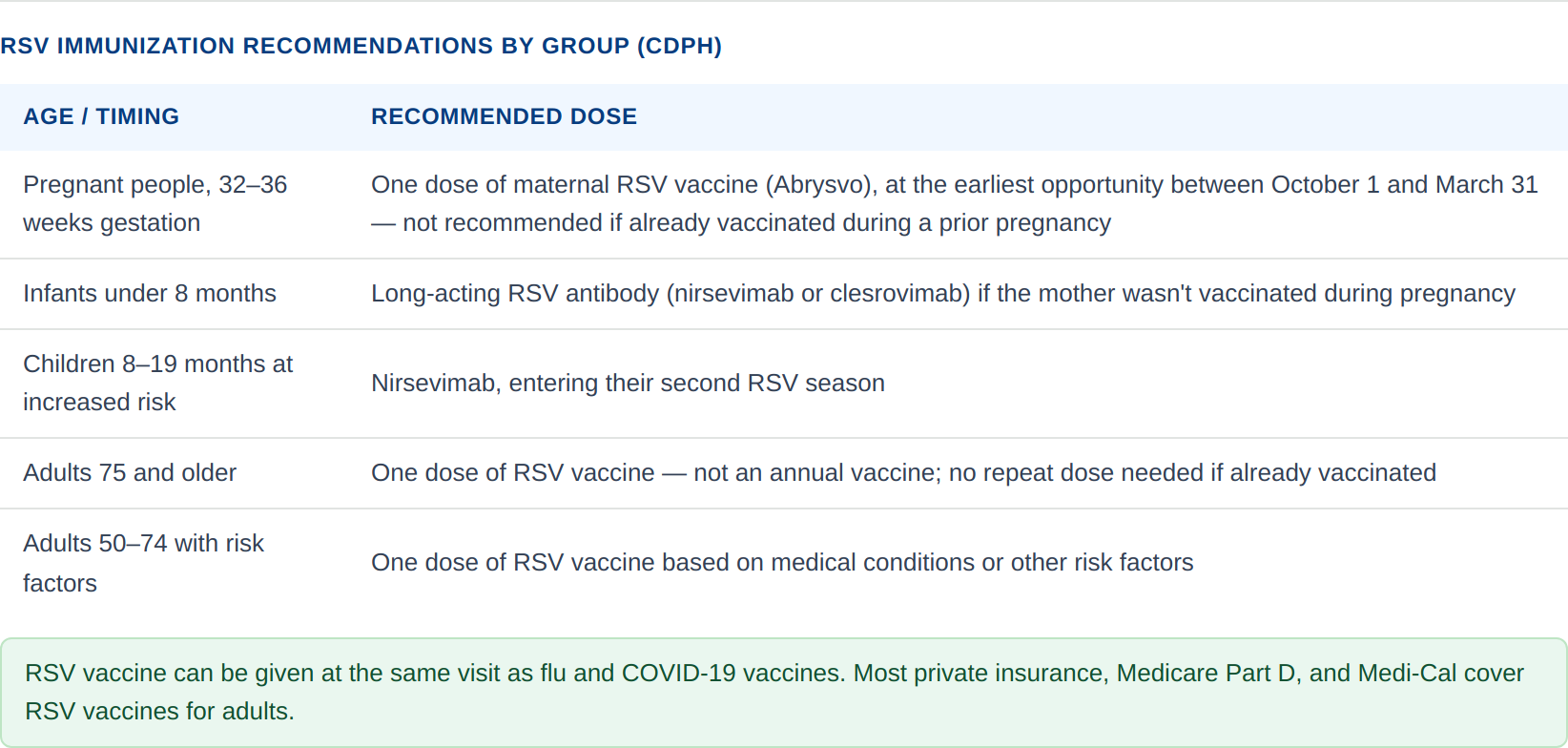
WHAT IT IS: A very common respiratory virus that causes cold-like symptoms in most people, but can cause serious illness in infants, young children, and older adults. RSV is the leading cause of hospitalization in U.S. infants.
HOW IT SPREADS: Respiratory droplets from coughing or sneezing, direct contact with an infected person, or touching a contaminated surface then touching the face. RSV season in most of the U.S. runs roughly October through March.
SYMPTOMS & SIGNS: Runny nose, decreased appetite, coughing, sneezing, fever, and wheezing- usually appearing in stages rather than all at once. In infants, the only symptoms may be irritability, decreased activity, and breathing difficulty. Severe cases can progress to bronchiolitis or pneumonia.
TREATMENT: No specific antiviral treatment for most cases- supportive care (fluids, fever control, monitoring breathing). Severe cases, especially in infants and older adults, may require hospitalization and oxygen support.
PREVENTION: Immunization is now available across the age spectrum- see the schedule below. Otherwise, standard respiratory hygiene: handwashing, avoiding close contact with sick individuals, and staying home when ill.
RECENT UPDATES: In 2025 ACIP added clesrovimab (Enflonsia) as a second long-acting antibody option for infants, alongside nirsevimab.
RESOURCES: CDPH: About RSV, CDC: About RSV
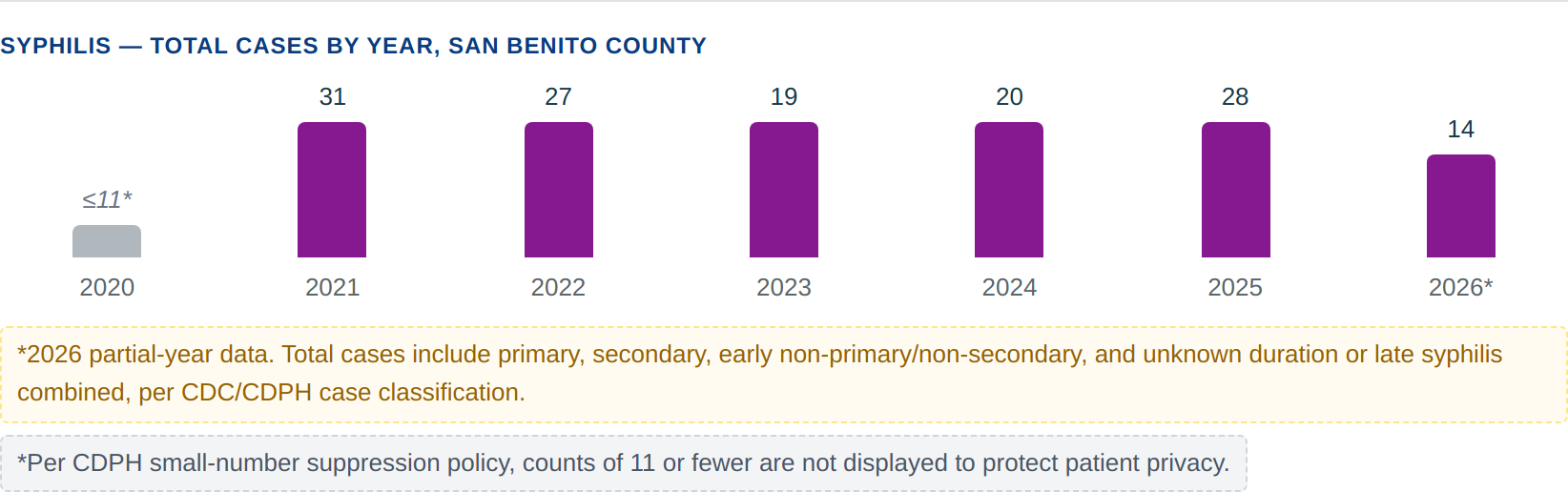
WHAT IT IS: A bacterial sexually transmitted infection (Treponema pallidum) that progresses through stages if untreated and can also pass from a pregnant person to their baby (congenital syphilis).
HOW IT SPREADS: Direct contact with a syphilis sore during vaginal, anal, or oral sex; congenital transmission during pregnancy or childbirth.
SYMPTOMS & SIGNS: Primary stage: a single, usually painless sore. Secondary stage: rash (often on palms/soles), fever, swollen lymph nodes. It can then become latent, with no symptoms for years, before progressing to a late stage that can damage the heart, brain, and other organs if never treated.
TREATMENT: Appropriate antibiotic treatment can effectively cure syphilis; the recommended regimen- including which medication, dose, and number of treatment- depends on the stage of infection and individual clinical circumstances.
PREVENTION: Condom use, regular testing (screening is especially emphasized in pregnancy, given the risk of congenital syphilis), and prompt partner treatment.
RECENT UPDATES: CDPH now recommends all sexually active people ages 15-44 be screened for syphilis at least once in their lifetime (annually thereafter)- CDPH Syphilis Screening Update
RESOURCES: CDPH: California STI Treatment Guidelines, CDPH: About Syphilis, CDC: About Syphilis
WHAT IT IS: A bacterial infection (Mycobacterium tuberculosis) that most often affects the lungs. TB can be latent (inactive, no symptoms, not contagious) or active disease (symptomatic and contagious). CDPH issued a health advisory on a substantial increase in TB cases statewide in 2024.
HOW IT SPREADS: Airborne- spreads when a person with active pulmonary or laryngeal TB coughs, speaks, or sings, releasing bacteria in the air that others breathe in.
SYMPTOMS & SIGNS: Active TB- a cough lasting more than 3 weeks, coughing up blood, chest pain, fever, night sweats, unintended weight loss, and fatigue. Latent TB infection has no symptoms.
TREATMENT: Active TB disease requires a multi-drug antibiotic regimen typically lasting 4-9 months, often with directly observed therapy (DOT) to ensure completion. Latent TB infection can be treated with a shorter preventive course.
PREVENTION: Testing and treatment of latent infection prevents progression to active disease. Public Health conducts contact investigation for every active case to identify and test close contacts.
RECENT UPDATES: As per 2025 data, 2,150 TB cases were reported in California (up from 2,109 in 2024)- the highest count since 2013-CDPH TB in California 2025 Snapshot
RESOURCES: CDPH: About Tuberculosis, CDC: About Tuberculosis
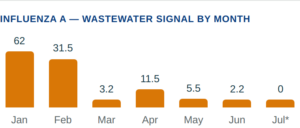
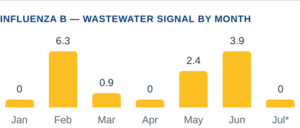
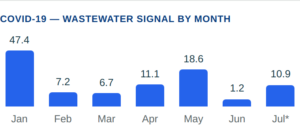
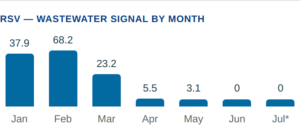
San Benito County tracks four respiratory pathogens- Influenza A, Influenza B, COVID-19 and RSV. Wastewater monitoring detects viral genetic material shed by infected people regardless of whether they have been tested or even show symptoms, which makes it a useful early-warning signal for community-level activity- often showing a rise or fall in circulation before it’s visible in clinical case counts or emergency room visits.