The mission of San Benito County’s Health & Human Services Agency is to support and strengthen individuals and families by assuring safety, promoting self-sufficiency, eliminating poverty, and improving the quality of life in our community.

Sweetened Sugar Beverages Information

sugary-beverages

Information

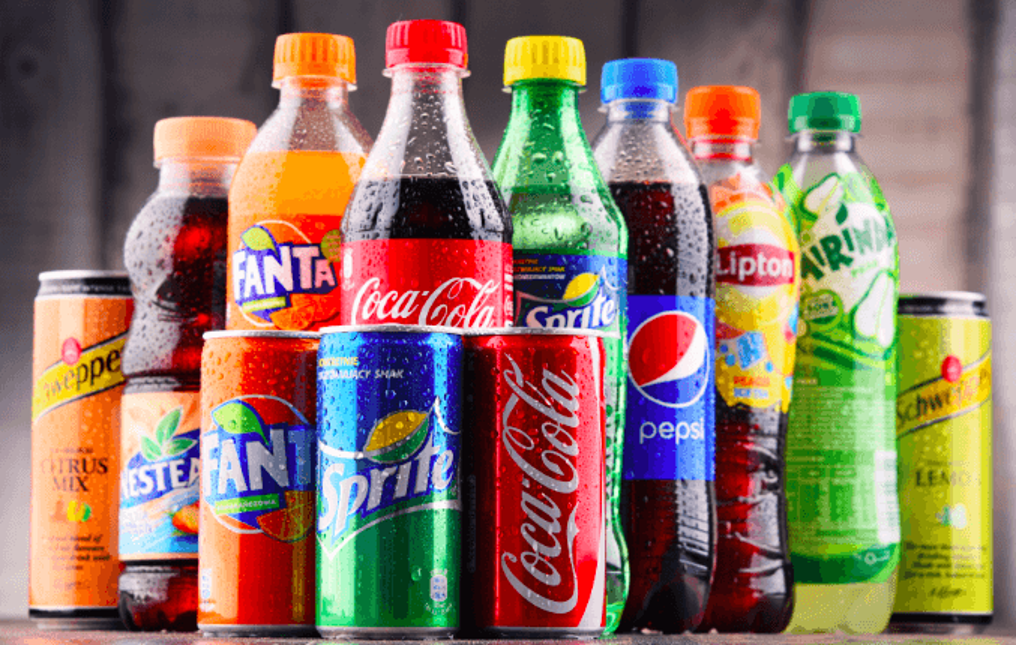
Sugary drinks are the #1 source of added sugars in the U.S. diet. Examples of sugary beverages include regular soda, fruit drinks, sports drinks, juice, energy drinks and more…

Consuming too much sugar increases the risk of heart disease, obesity, high blood pressure, diabetes, and tooth decay.

In the American diet, according to the U.S. Centers for Disease Control and Prevention, particularly among people living in poverty and racial/ethnic minority groupsFifty percent (50 %) of excess calories consumed by Americans comes from sugary drinks.

The American Heart Association recommends that children and teens limit sugar-sweetened drinks to 8 ounces per week — that’s less than a regular 12-ounce soda can. 

As an overall daily limit on added sugar, young people should get less than 6 tablespoons (which is about 100 calories or 25 grams). Compare that to the whopping 39 grams of sugar found in a 12-ounce can of soda. Plus, with added sugar hiding in seemingly innocent foods like pasta sauce, yogurt, and salad dressing, it’s all too easy for children and teens to go over the limit in just one meal — without accounting for treats.

kid-drinking-milk

What is the correct amount of sugar?

First, sugar is either natural or added and not just sucrose, it can also be in the form of sucrose, dextrose, table sugar, corn sugar, syrups, honey, lactose, raw sugar, molasses, and sugars from concentrated fruit or vegetable juices.

The latest recommendation for the amount of sugar is:

  • 2 years and older keep their intake of added sugars to less than 10% of their total daily calories,
  • Four to six years old – 19 g (5 teaspoons)
  • Seven to 10 years – 24 g (6 teaspoons)
  • From 11 years – 30 g (7 teaspoons)
  • Adults: Men should consume no more than 9 teaspoons (36 grams or 150 calories) of added sugar per day. For women, the number is lower: 6 teaspoons (25 grams or 100 calories per day).

Who is drinking more sweetened sugar beverages?

Adults and adolescents who smoke, don’t get enough sleep, don’t exercise much, eat fast food often, and who do not eat fruit regularly are more likely to be frequent consumers of sugar sweeten beverage (SSB’s). Additionally, adolescents who frequently drink SSB’s also have more screen time, including more time with televisions, cell phones, computers, and video games.(CDC).

Reading Labels

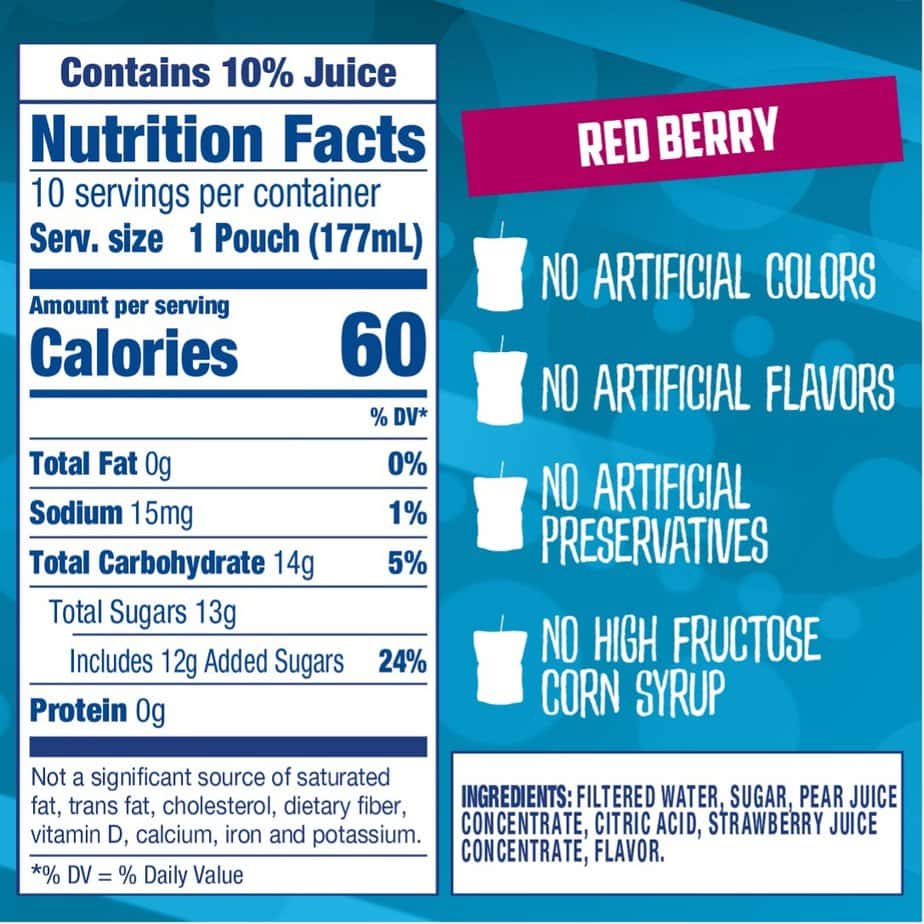
How do you calculate how much sugar is in food? Use the “divide by 4” rule of simple sugar math. Take the calories and divide by 4 to get the grams of added sugar. For 200 calories, this is 50 grams.

Things to Note

  • Total Sugars 13 grams

  • Ingredients: Citric acid is erosive to teeth. Water would be a better choice.

  • Please read your labels for hidden sugar! Hidden sugar is in items like ketchup, milk, salad dressing, peanut butter, yogurt, snack bars and many more.

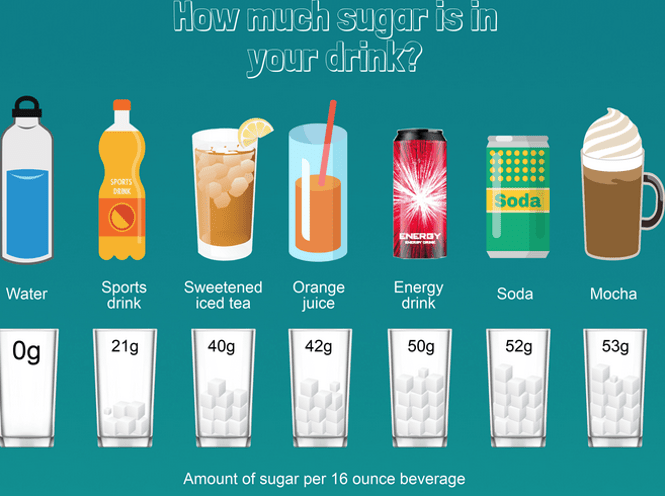
What do you drink?

Contact Us:
Oral Health Program
831-637-5367

Skip to content